
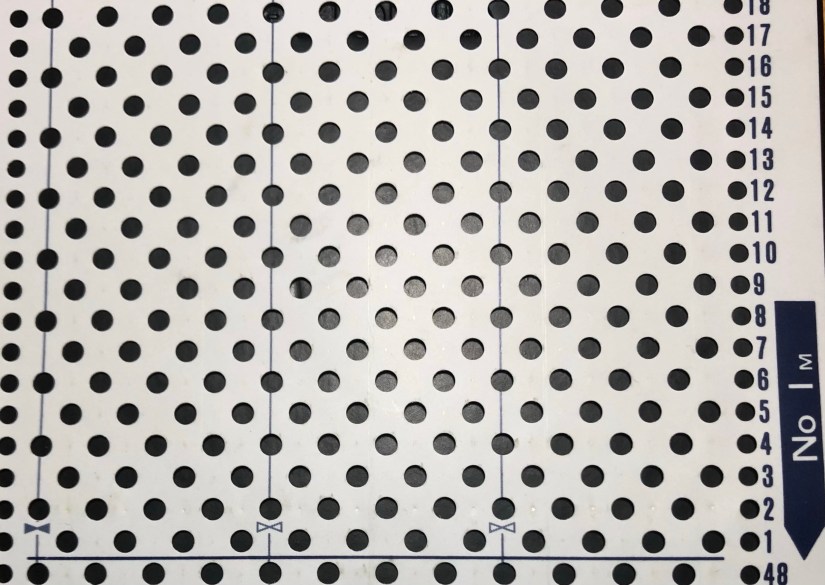
Punch cards for knitting machines are magical, but have you ever had trouble visualizing the patterns they make?
Those holes and spaces don’t translate to much inside my head for anything but fair isle patterns. Even though I know what tuck and skip stitches are, I just can’t see them.
That’s where a reference scarf comes in! Like the security scarf discussed in this post about gauge swatching, having a reference scarf with all of a punch card’s options featured can really come in handy, especially for design purposes.
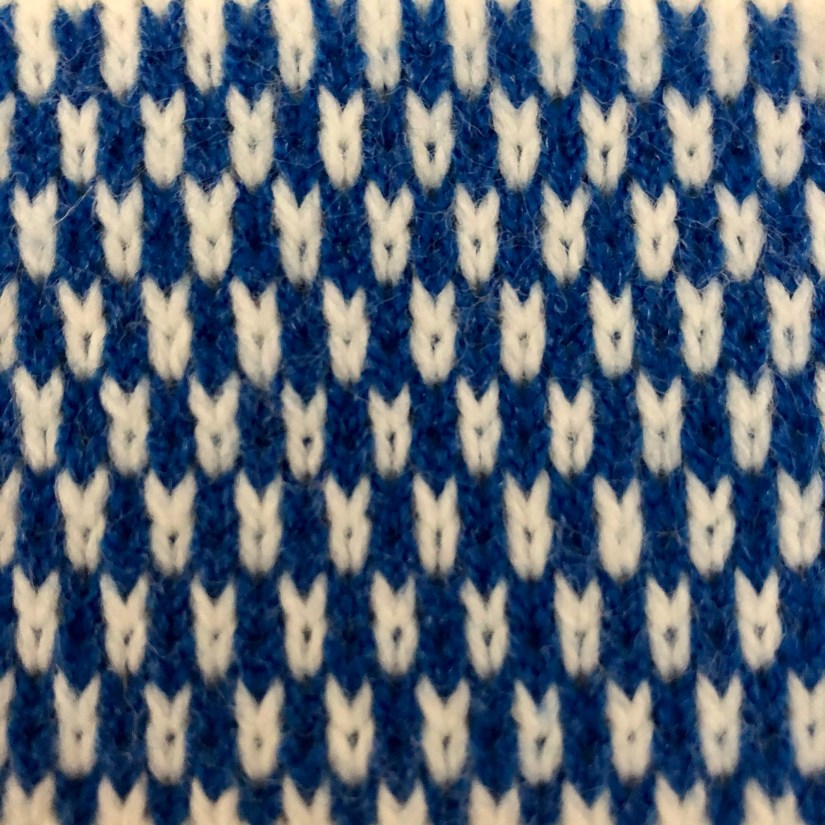
If you don’t want to make your own reference scarf, I’ve got you covered. This post includes pictures from the knit and purl sides of all compatible functions of Card 1M except Plating Tuck Stitch; that is, all functions you can do by pressing buttons or toggling switches without changing any parts of the carriage.
The knit side is not always the right/public side of the work with these stitches, so I will be using “knit side” to reference the side of the work that always faces away from you while you knit it on the machine. “Purl side” references the side of the work that always faces toward you as you knit.
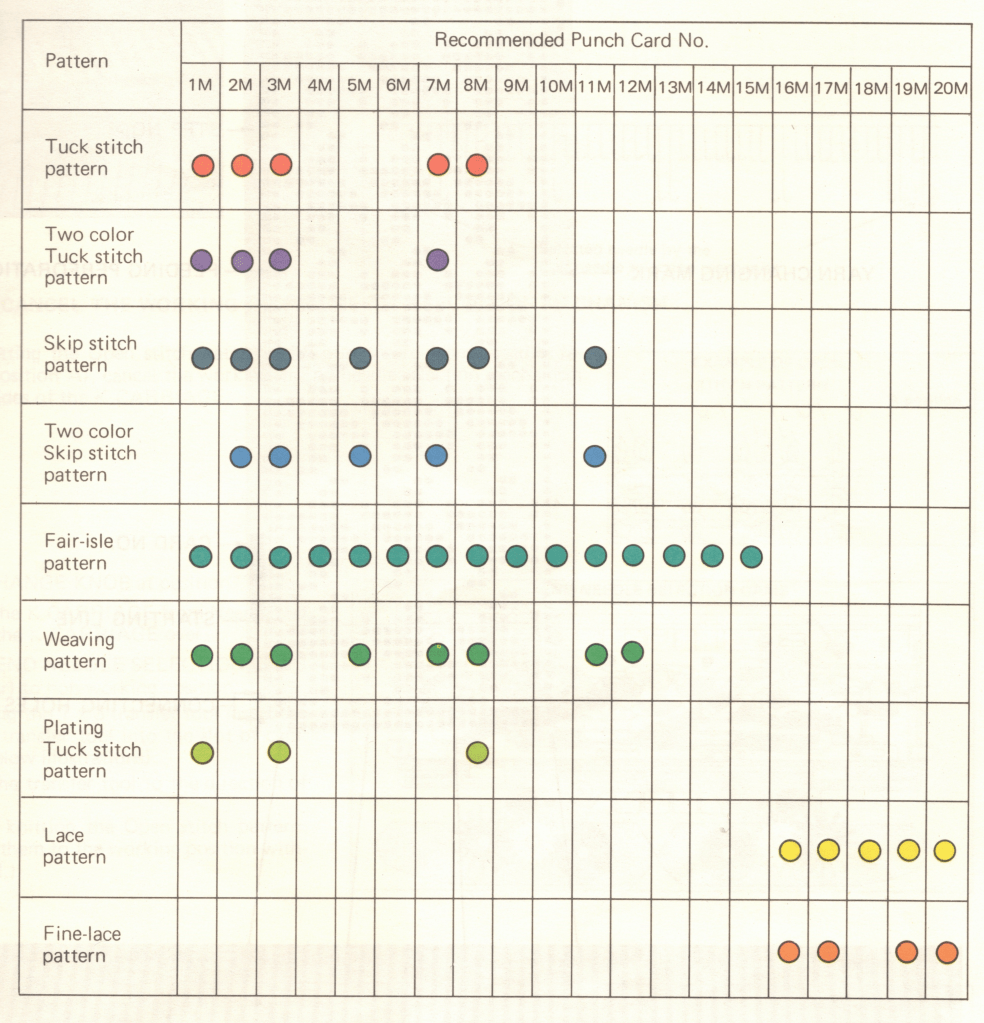
The Brother M series of punch cards came with the KH-890 and KH-891 models. You can find the M series here from Machine Knitting Etc and punch them on a blank card if you do not want to look for them premade on eBay or another site.
I knitted these swatches from blue and white mystery acrylic yarns similar to Millor Piropo at Tension 10 on my Brother KH-890 machine.
Tuck Stitch
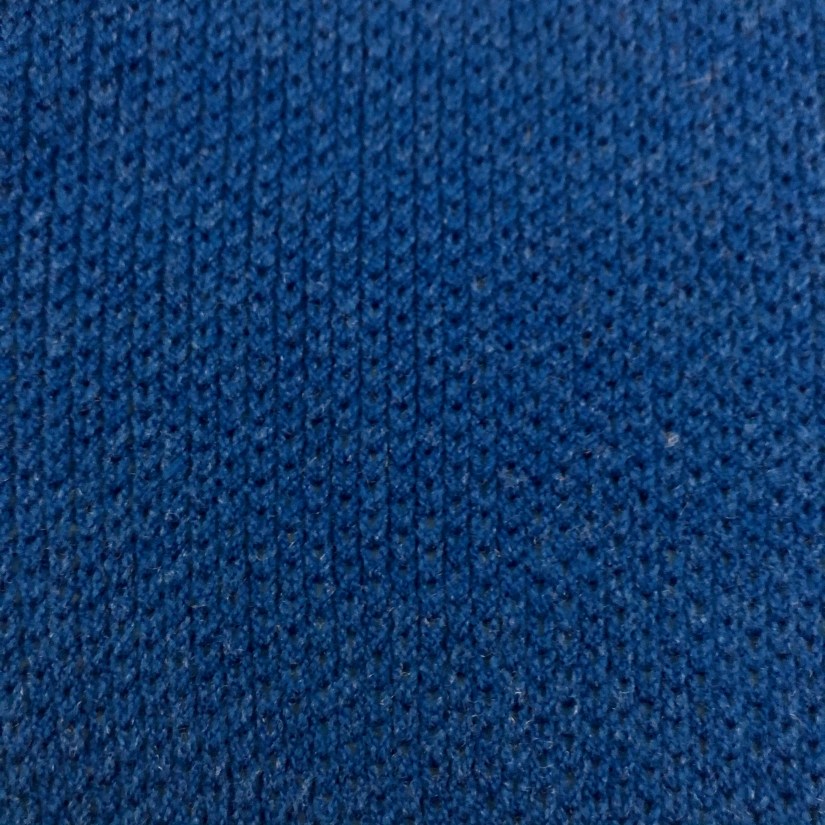


Two Color Tuck Stitch
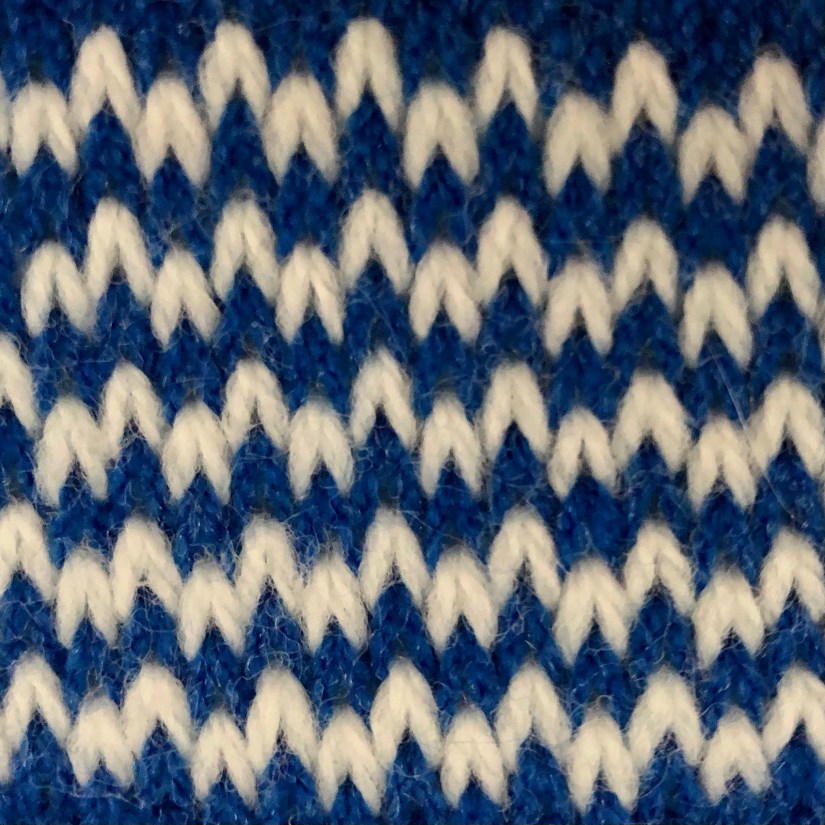

Skip Stitch
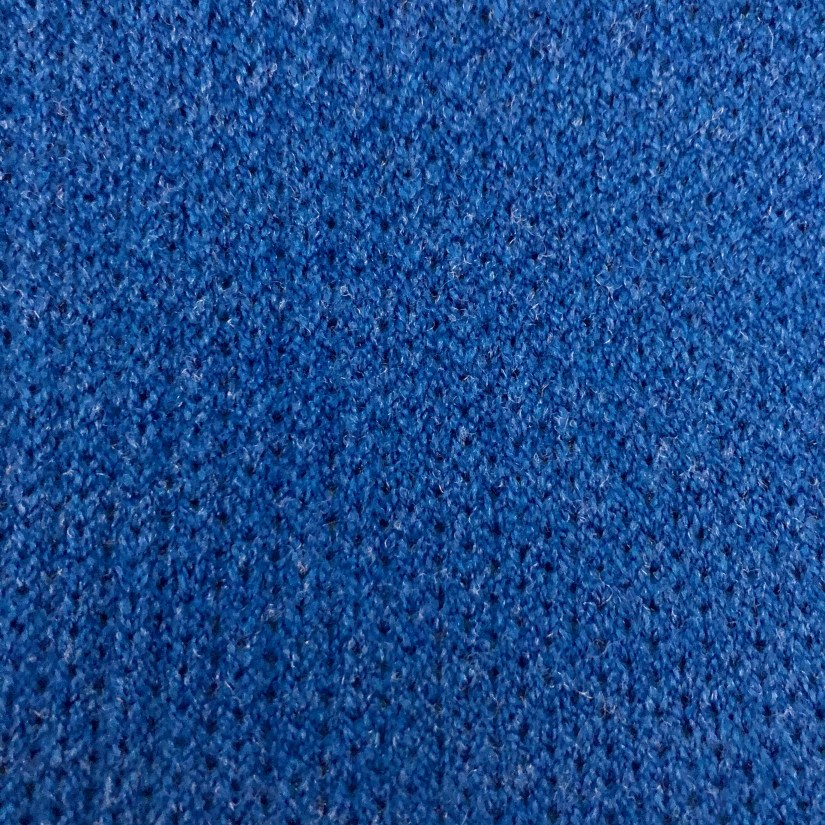

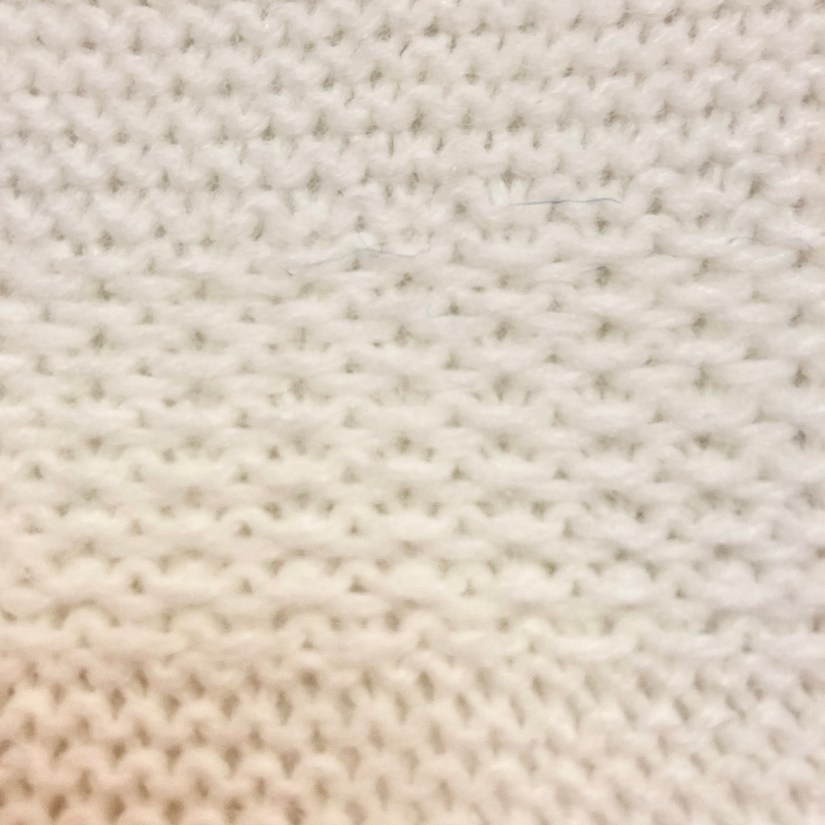
Fair Isle
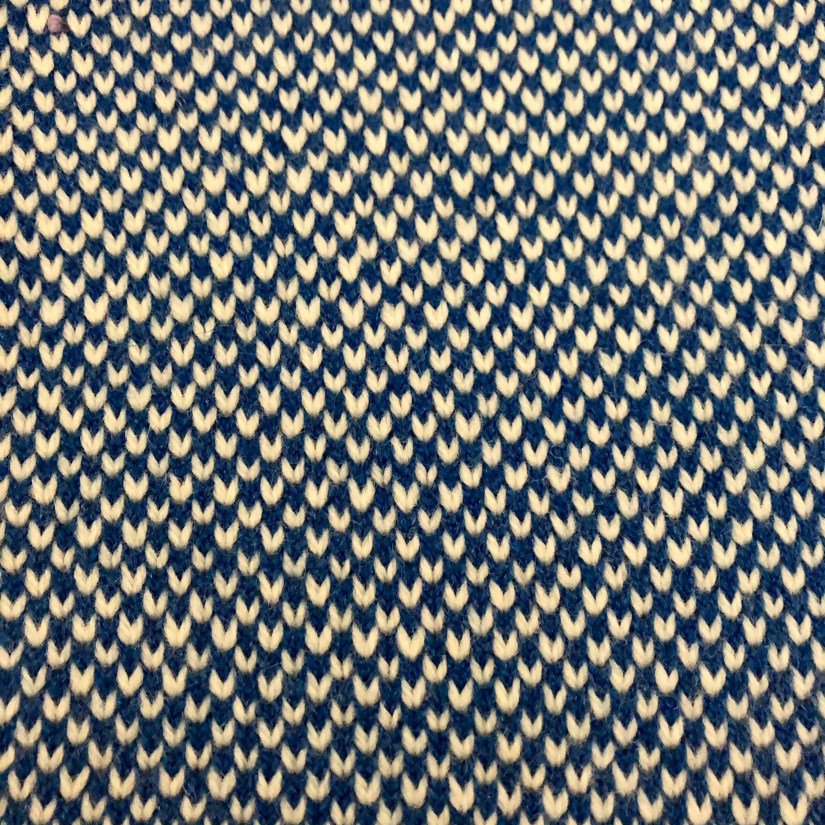
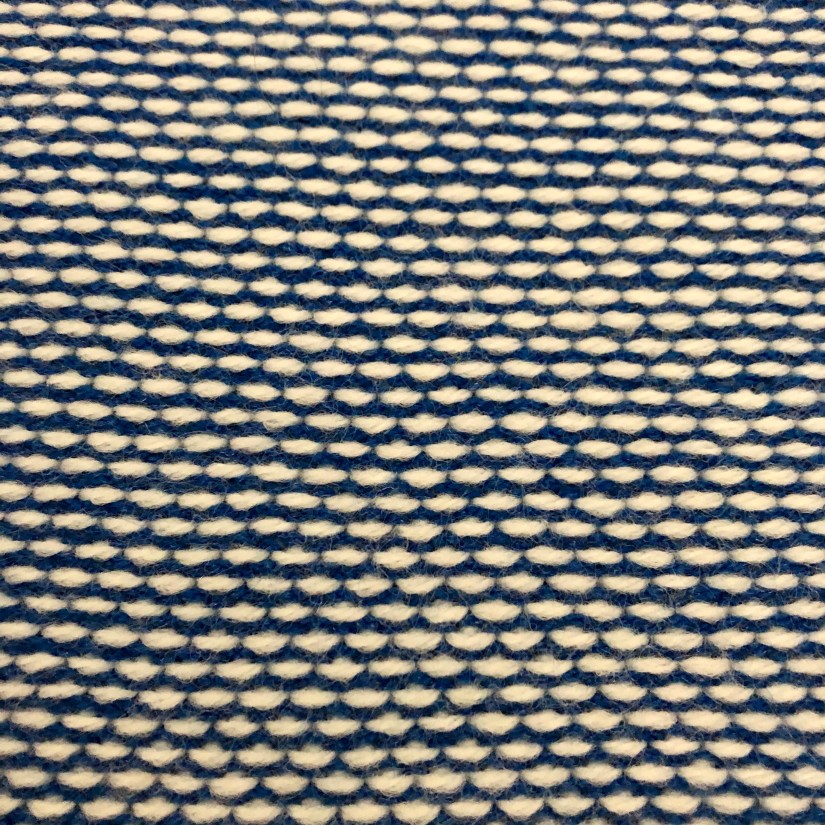

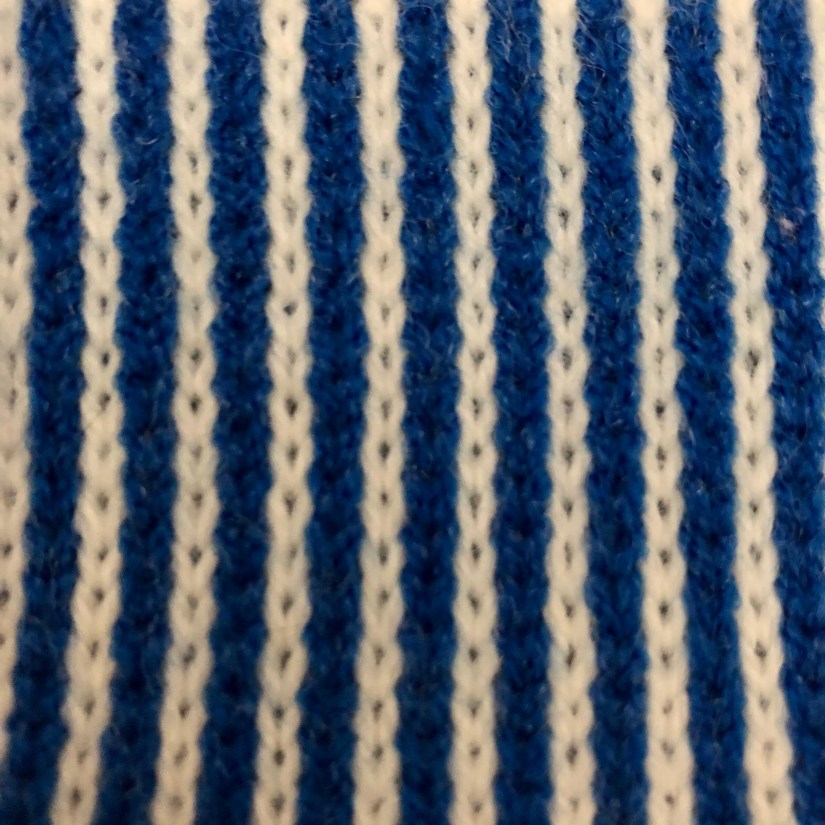

Knit Weaving

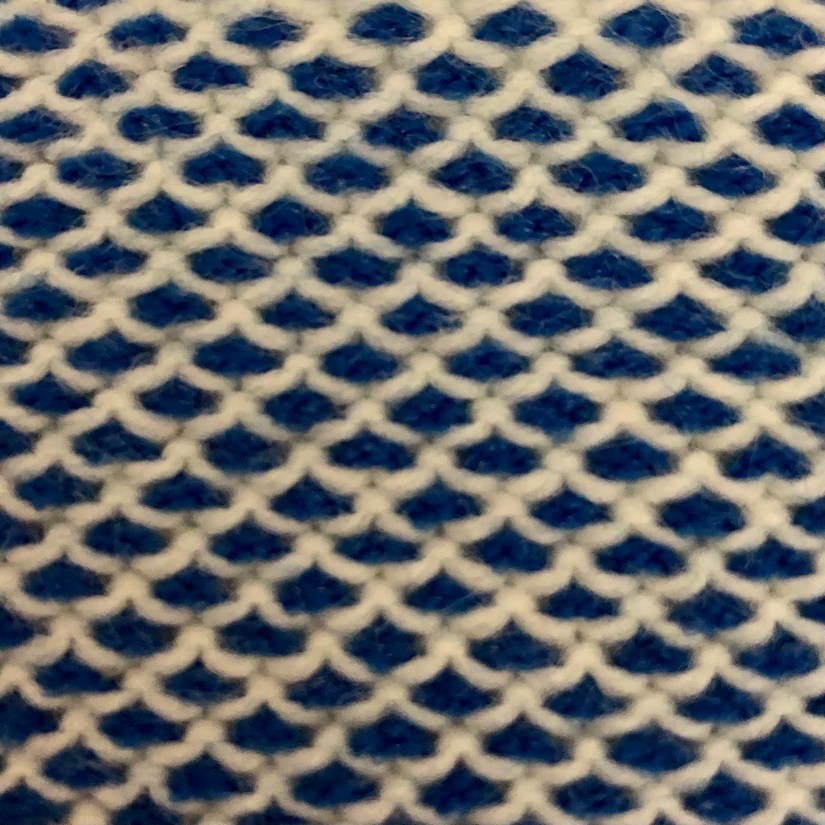
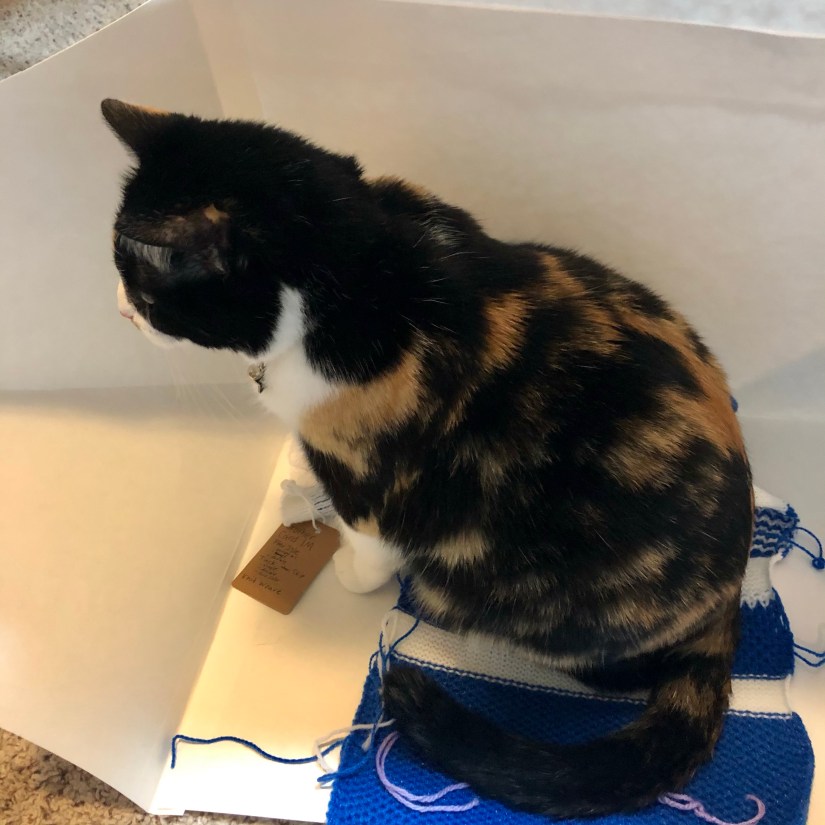
I hope you found these pictures helpful in visualizing what Brother Card 1M can do. I will be upgrading my photography setup in the near future, but for now, please enjoy a bonus photo of my cat about to destroy my DIY light box. At least she’s beautiful!
Do you have any tips or tricks for visualizing punch card patterns? What do you use for design references? What other things would you like to see on the blog? Let me know in the comments below!


 ELY Knits
Thank you Emily. It’s so easy to get stuck in doing the same thing over and over or just seeing something in the original way it was first introduced to us that it’s difficult to imagine that a simple pattern cam be expressed in so many ways. These samples are brilliant. Thank you for taking the time to share them and your amazing talent.
LikeLiked by 1 person
Thank you, Sarah! I’m glad to be of service 😀
LikeLike