Book Review, Knitting Machines

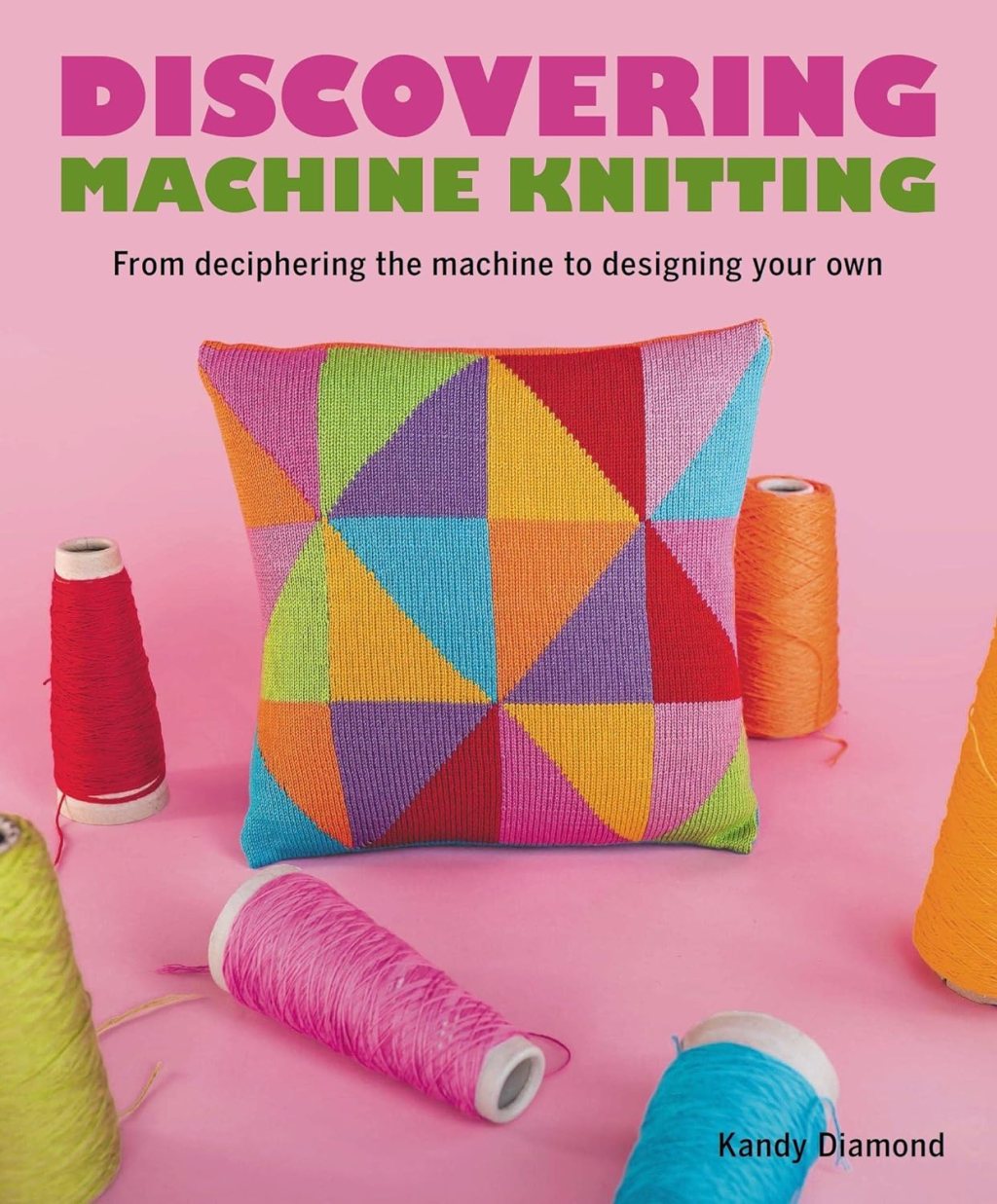
Discovering Machine Knitting by Kandy Diamond

I love my vintage machine knitting book collection, but new machine knitting books just make my day. They’re proof that machine knitting isn’t dying — it’s still evolving, and dare I say, growing.

Discovering Machine Knitting by Kandy Diamond releases in North America on October 10, 2023.

It’s more than just an eye-catching cover. Here are my thoughts:


Perfect for beginners, it starts with how the machine works and how stitches are formed, all the way through to shaping garment panels to your desired size and fit. Each chapter focuses on different skills that build throughout the book, with lots of projects so you can put the skills into practice and make some knits for yourself.

If you work through the step-by-step instructions and projects in this book, by the end of it you will be designing and knitting your own garments!

Excerpts from the publisher’s blurb

The Details

Published: 2023Publisher: The Crowood Press
Format: PaperbackPages: 160
MSRP: $24.00Canada: $32.99

Chapters

Chapter 1: Before You StartChapter 2: Getting Started
Chapter 3: Pattern and Garment ConstructionChapter 4: Simple Shaping
Chapter 5: Colour and DesignChapter 6: Level Up – Ribber
Chapter 7: Design Your Own

What I’m Looking For

If you missed my last book review on Alison Dupernex’s Creative Machine Knitting, here’s the rundown on what I look for in a machine knitting book.

Schematics are the first thing I look for in a knitting book of any kind. Schematics make it possible to change yarns and still have a correctly sized finished garment. For plus-size knitters like myself, they make it much easier to adjust sizing. It’s non-negotiable for me– a “good” book requires schematics.

I want to see what makes up the designer’s perspective. What makes them unique? How do they work with the classics? What do they bring to the crafting community, and what do they think of that community?

If a book touts itself as a skill book, I want to see pictures and detailed how-to’s throughout. Machine knitting can become intuitive, but setup often includes multiple steps that are easy to miss if someone becomes overwhelmed during the learning process.


Overview

Discovering Machine Knitting by Kandy Diamond is a start from scratch course based on using a standard gauge (4.5mm) domestic knitting machine, but that doesn’t mean users with other gauge machines won’t find it useful. Basic skills translate between machines, and while mid-gauge users (6.5-7mm) will need to learn to hand select needles for colorwork, the skill-building projects are still worthwhile.

Diamond begins the book teaching readers about the knitting machine itself–parts and accessories; stitch formation; fiber considerations; basic cleaning, maintenance, and troubleshooting.

Chapters each teach a different set of skills and are further divided into sections with detailed written instructions accompanied by step-by-step photos and colorful diagrams. Example pictures use bright and easy to see colors with contrasting colors illustrating notable instances in the knitting process.

Designer profiles throughout the book introduce readers to artists across the industry, offering more perspectives to beginners along with showing the possibilities of what they, too, can do after they have completed the book’s course.


Thoughts

I greatly appreciate those with decades long machine knitting careers who have shared their work with us, but I often feel a generational disconnect because, well, we are from different generations, and sometimes machine knitting patterns and the craft itself just feel… old. I want my peers to look at my work and not think I’m just doing granny things.

Discovering Machine Knitting makes machine knitting look approachable, fun, and current. The book echoes the bright and fun vibe that Kandy Diamond curates on her Instagram account through her brand Knit and Destroy, and the beginner-appropriate projects feel updated and wearable.

The book is instructional without feeling sterile. The designer profiles and Diamond’s own designs offer inspiration and remind the reader that this is only the beginning. This combined with the well thought out photos and use of color to illustrate separation in steps keeps the book engaging and the messaging clear. There is so much attention to detail in this book, and I feel Diamond’s enthusiasm through the pages

Diamond walks you through the knitting design process from yarn selection and swatch to finishing and makes the math involved feel like just another step in the knitting process as opposed to the “intimidating barrier” many students I’ve encountered consider it. The book is worth a buy for the design math alone.

There aren’t a ton of projects in this book, but each is customizable, skill-building, and wearable, so I think you’ll find yourself making them more than once.


I made an autumn-themed version of Diamond’s Sweet and Simple Block Jumper using Brown Sheep Company’s NatureSpun Sport 100% wool.

This is a great project that will help beginners get a good feel for the machine and gain confidence in their design abilities. More on this yarn and project in a future post.


Schematics? Where appropriate
Perspective? Explorative and focused on contemporary design
How To’s? Detailed and well thought out


This book makes me excited. After reading my copy from Blackwell’s UK, I asked the shop owner where I teach to order a few copies for the North American release so I could recommend it to my students. One of my students even mentioned its upcoming release to me at a lesson to make sure I knew of it!

If you’re a beginner or someone who needs a skill refresh after years away, this book is for you. If you’re not a beginner but you want to learn more about machine knitting designers of today and support their work, this book is for you. If you’re just looking for project inspiration, this book is for you.

Rating: 5 out of 5.

Where to Buy

If you don’t have a local yarn shop or bookstore who can order this for you, please consider using my Amazon affiliate link when you purchase your copy of Kandy Diamond’s Discovering Machine Knitting. I may earn a small commission at no cost to you that helps me continue providing free content.

Discovering Machine Knitting releases in the United States on October 10, 2023.

Thanks for joining me on my machine knitting journey! If you have an idea for a yarn, book, or product for me to review, please let me know through my contact page.

Did I miss something? Disagree? Let me know in the comments!

Tips and Tricks

Choosing Colors

In my last post I showcased a project where I used NINE colors to push my creative boundaries. I ended that post feeling more confident, but when I went to choose colors for my next colorwork project, I found myself even more color-shy than before!

Since I’m still not convinced I know enough about colors to be allowed to choose combinations on my own, I thought I’d share different ways to choose a color palette that will help you build and discover your own color stories.


Use a Color Wheel

To me, using a color wheel feels like the “pro” way to choose colors. It’s the way “real” artists do it, or so my head says.

(I’ve considered myself a “real” artist for a while now, and I only just bought a color wheel, so let’s all remember to ignore those negative “not a ‘real’ artist” thoughts if they pop up, okay?)

If you don’t have a color wheel and/or a local place to buy one, please consider using my Amazon Affiliate link to support my site! I may receive a small commission at no cost to you, and it helps me keep my content free.

This post from Felt Magnet explains how to use color wheel and defines the associated terms. There are lots of other great posts on Color Theory and color wheels out there, so search up a few and give them a read if this one wasn’t enough for you.

I bought my color wheel from the Across Generations natural dye booth at the Fiber Christmas in July fiber festival. She doesn’t seem to have any in her Etsy shop, but her colors are so amazing and inspiring that I wanted to make sure I linked her because you can …


Use Your Favorite Artist’s Colors

You like them for a reason, right? If you aren’t confident enough to trust your gut, trust someone else’s!

Since most artists now have websites and/or social media, you can keep up with their work without going to galleries.

Find a piece that speaks to you and identify your favorite colors from that piece.

From my slightly overwhelming experience with nine colors, I suggest you start with just two or three.

Kacy Latham is my favorite artist, hands down. I love the way she plays with bright colors and texture as well as the way her shapes flow. We actually grew up in the same town, and while I don’t know her well because she’s a bit older than me, I’ve followed her art journey for years now. She is constantly pushing herself to create and share her work, even painting numerous public art pieces for the residents of that tiny town in Texas to enjoy.

What colors would you choose from this piece from Kacy’s Instagram?

I chose the darkest navy blue from the top right and the rosy, bronze-y brown just left of middle.


Follow Indie Dyer Collections

Don’t forget your favorite fiber artists!

If you keep up with your favorite dyers on social media, look through their feed or ask them how they choose their colors when you visit their booths at fiber festivals. Jenny at 316 Dye Studio recently released an entire collection inspired by Bob Ross paintings!

Sometimes indie dyers will even feature curated palettes of their yarns, so it’s worth it to go see what they’re up to when you’re looking for color inspiration.


Go Through Your Finished Objects

Even if you’ve knitted it up already, take a look at your favorite yarns and completed projects and try pulling your color palette from them, especially if you used a kit or a yarn with an existing color palette.

I don’t even know where this scarf is right now…

I hand knitted this Gallatin Scarf back in 2016. I hated the yarn but loved the colors. The self-striping element made knitting through the pattern interesting, and I can see this palette being perfect for a floral colorwork sweater.


Use an App

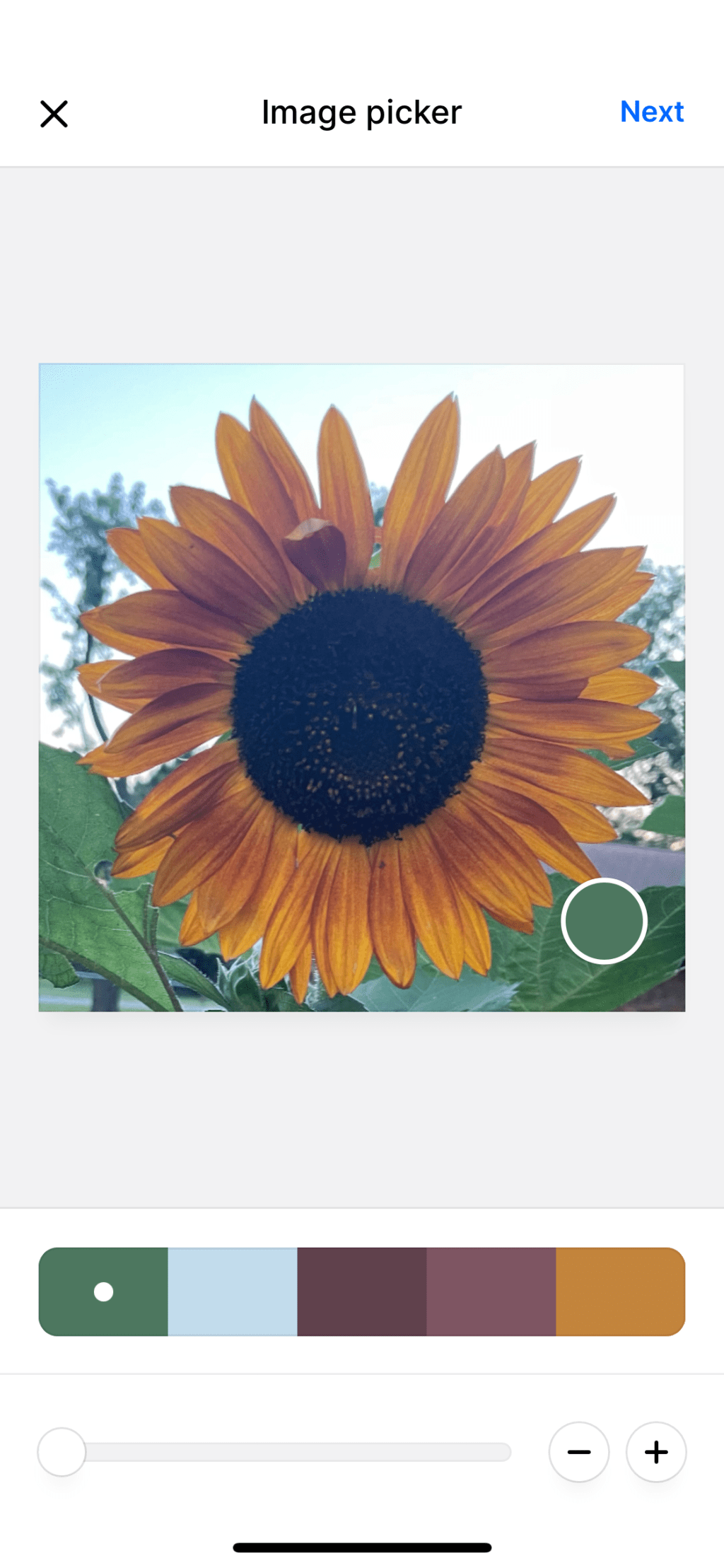
As mentioned in my Confronting Color post, you can browse a color palette app like Coolers.co for inspiration. You can also create your own palettes with up to five colors without a Pro subscription.

My favorite feature might be pulling a five color palette from an existing image.

You simply drag the white circle selector to different colors to change what it generates in your palette.

Canva.com also has a similar image palette generator. I’ve only used the free versions, but both Coolers and Canva have additional features in their subscription only tiers.


Browse Pinterest

It’s one of my favorite time wasters that I can justify as not actually being a time waster because I find can find punchcard patterns and more on it

As ad-filled and misdirected as its links can be, Pinterest is still perfect for making mood and inspiration boards.


Ask Around

In addition to having fiber suggestions, your local yarn shop is a great place to ask about color combinations. Since the owners have likely already ordered for the coming season, they might be able to point you in the direction of future color trends.

Your LYS’s staff probably aren’t the only helpful people around in your fiber community. In my experience, there’s always at least one regular who everyone counts on for their color choosing capabilities.

Get Stitchin’, where I teach lessons, in Tulsa, OK almost always has a trunk show rotating through the shop. She also carries yarns and fiber from local specialists, so if you don’t have a favorite indie dyer or fiber farm, you will soon!

You probably have a local shop closer to you than you think. Ravelry has a Local Yarn Shop Directory, and most yarn brands have a stockist locator on their website. If you don’t have a local shop to frequent, I hope you find one soon!

How do you choose colors for your projects? What other ways should I try to find color inspiration? Let me know in the comments!

Thank you for joining me on this colorful leg of my machine knitting journey!

Book Review, colorwork

Confronting Color

In case you missed it, I recently reviewed Alison Dupernexโ€™s Creative Machine Knitting.

And boy can I say I was excited but also nervous when I noticed she replied to my Instagram post about the review.


…I threw all my designs in and my โ€˜colour madnessโ€™ to encourage and inspire knitters to go and make for themselves.

Alison Dupernex

Click on the post to view the entire comment.


Her color stories are sometimes very โ€œout thereโ€ to me, as in โ€œthereโ€™s no way Iโ€™d personally choose that,โ€ but her comment on my review got me thinking.ย 

I decided to pick up Designing with Colour, another book Dupernex wrote in 2020. (Iโ€™ll fully review that one soon, but it’s another nice one).

Somehow her color choices didnโ€™t feel as wild to me as they did in Creative Machine Knitting, the most recently published one, but Dupernexโ€™s design theory and point of view remain consistent.

Iโ€™ve changed.ย 

I started to ruminate on how I use color in my own work. 


My default want is to add texture. And thereโ€™s nothing wrong with that. Texture is lovely. But I ran into the thought

โ€ฆ am I afraid of color work?ย 

I adore hand dyed yarns from indie dyers. I love to let the yarn do the work for me color-wise. I like to see how the colors pool, stripe, or blend together. I know what Iโ€™m working with, but I donโ€™t know exactly how the garment will turn out, and each skein is unique. 

Does letting the yarn do the work for me make me a lazy knitter? I donโ€™t think so. 

Does that make me a lazy designer? Not necessarilyโ€ฆ

But I think it does make me a bit complacent.

Itโ€™s easy to rely on beautiful hand dyes to catch eyes and bring people to your work. 

Itโ€™s not at all a bad thing to use the gorgeous colors others have curated in your work. 

But Iโ€™m not really growing or building skills as a knitter or designer that way. 


Starting Out Small

I initially felt drawn to Dupernexโ€™s color blocked designs the most. I decided to start with her Blocked Sweater from Creative Machine Knitting that featured textured striping on the sleeves and borders of the garment since texture is my favorite thing in knitting.


The design features nine colors. 

Until recently, I didnโ€™t even own nine colors in the same yarn. I think six is my maximum, and thatโ€™s if you count Silk City Fibers Cotton Bamboo and Lion Brand CoBoo as the same yarn in different put-ups.ย 

I found some new old stock vintage Millor Trenzado Industrial cone yarn through a Facebook post (read some tips on finding cone yarn in this post), so I finally have enough colors in the same weight of yarn to experiment.

Sorting through this was overwhelming

After looking through the cones, I had no clue where to start choosing colors. I googled โ€œcolor palettesโ€ and ended up at Coolers.co narrowing down their existing color palettes to those with nine colors. From there, I tried to see which ones 1) I liked and 2) actually existed in my new cone stash.ย 

I landed me with this one. I took a screenshot, but I’ve been unable to locate it again. I’ll update with a direct link if I find it.

This palette gives me a southwestern US vibe, and I like that. Holding vacation thoughts in my head, I matched the colors as best as I could from the existing pile and buckled down to knit.ย 

This photo is rather heavily filtered to make the yarn as close to in-person color as possible.

Actually Knitting

Trenzado Industrial is probably a little bit large for this project, but I decided to continue with the fabric at the patternโ€™s prescribed tension because it knit well on my Brother KH890 and blocked out nicely.ย 

After knitting the back right, I quickly realized I needed to dig out a color changer so I could avoid having to get up every few rows to change colors.ย Just a note: If you decide to get a color changer, there is a difference in models for Brother machines at least, and some will not work with the ribber bed attached while others will.ย 


The garment itself wasnโ€™t difficult to knit, but I made it a bit harder on myself by reversing the shaping on one front while I was listening to a podcast.ย 

I didnโ€™t realize until I went to pin the piece onto my dress form, so I had to rehang the stitches and unravel a few inches so I could fix the neck and shoulders. It wasnโ€™t a big deal, but I felt a bit silly. 


Iโ€™ve always admitted to being a lazy knitter, so I didnโ€™t enjoy knitting the sleeves. Changing yarns so often was annoying, and I didnโ€™t feel like I could get in the groove with so many quick sections and color changes alongside the decreases. Thatโ€™s on me, but it is harder to knit something when you don’t enjoy the process.

I do like the overall color palette that the coolers app presented, but in addition to being a lazy knitter by nature, I think I must be a second-guesser, especially since I opted for some tans instead of oranges due to supply.ย 

I questioned my color choices the entire time I was knitting. Is this orange too bright for the southwest feel? Why did I think this needed a green? Thatโ€™s too minty, why did I think it was a light sage? 

I had to keep telling myself to trust the process. 

Trust the process. Trust the processโ€ฆ

What do you think? 

It looks pretty okay, right? Iโ€™ve been telling myself, โ€œLook here, overthinking second-guesser. It turned out great and now you have a color palette ready for the next one!โ€

But let me overthink some more…

Since I already liked color blocked items, just doing one with striped sleeves and calling it a day doesnโ€™t really mean Iโ€™ve done much โ€œConfronting Color,โ€ now, does it?

Hereโ€™s to the next one with less anxiety over the color palette and even more use of color!


This page may contain affiliate links. If you choose to buy something using my link, I may earn a small commission at no cost to you. If you donโ€™t have a local place to support, please consider using my affiliate link as it helps me continue to provide you with free content.


Tips and Tricks

Organizing My Studio: The Main Room


This post contains affiliate links. If you purchase something using one of my links, I may receive a small commission at no cost to you. If you don’t have a local place to support, please consider using my link as it helps me continue to provide you with quality free content.


We moved to our new place last year, and I have a studio! Yay! It’s a small building around 400 square feet just steps from our garage.

Itโ€™s been a dream come true having a large, dedicated machine knitting space and not just a small craft room, but itโ€™s a lot more chaotic than I hoped.ย 

I rushed to move my things in and managed to paint the paneled outer workroom wall before I had a couple surgeries. I’m not fully unpacked yet.


Wall Storage

I painted the paneled outer workroom wall and covered it with 2×4′ pegboard panels.

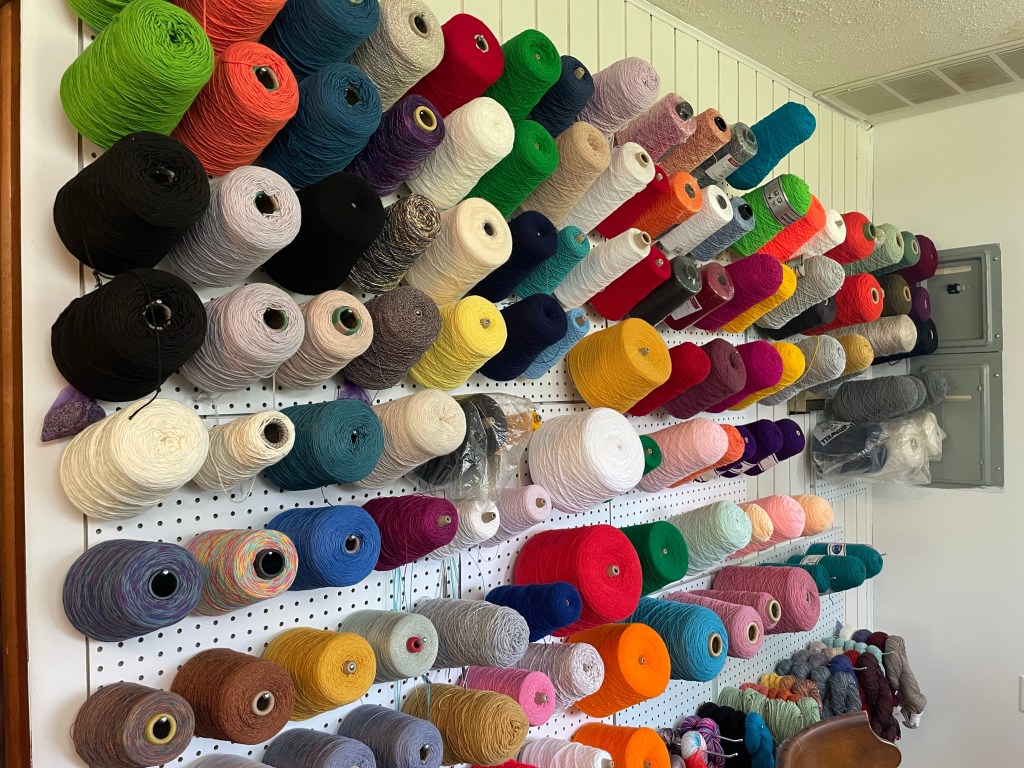
All of my cone yarn was finally on the wall… until I found some new old stock yarn and brought in nearly a hundred more cones. (Find some tips on how to find cone yarn in this post.) I had to move my hanks to make room for the extra cones, so I needed more pegboard and more hooks.

I ended up using 16×16″ metal pegboard squares for the rest of the pegboard wall so I could work around my thermostat.

working around the thermostat

If I had to go back, I think I’d opt for using the 16×16″ size for the whole pegboard wall since I had to wait until my husband had time to help me with the large pegboard and I could install the smaller squares myself.


Here’s what I used:

Triton 2 x 4′ Pegboard 4 Count6″ Pegboard Hooks (better for cones)
Metal 16×16″ Heavy Duty Pegboard – 4 Pack
8″ Pegboard Hooks (better for hanks)

Cube Storage

wooden cube storage in my old setup-so cute but so cramped!

My wooden cube storage is full of my knitting books, my vintage magazine collection, and my personal yarn, so, you guessed it, I needed some more storage after finding more vintage patterns.

I opted for a wire mesh cube set that I could reconfigure as needed since I have been rearranging machines and yarn every few months to test layouts. It currently sits under a window, so it was nice to be able to work around the frame.

hanks waiting on me to order more pegs…

I had to quickly drag the wire cube stack out of the way after an HVAC condensation issue, and surprisingly it stayed together! I didn’t expect that. I wouldn’t suggest moving it like that under normal circumstances, but I wanted to make sure nothing dripped on my yarn.

I think I bought my oldest wooden cube storage unit at Target, but they only come in the 6 cube option there. This one has options from 3-12 cubes, even though I chose to stick with 6 cube units. I have four of them lining a wall now.


What I used

Wood Cube StorageWire Cube Storage

More Work to Do

The studio building was built in the late 1970s or early 1980s, but it is very well insulated. The HVAC has a couple of issues that we discovered after a severe storm-related, days long power outage, some windows need replaced, and some of the lighting fixtures have gone out with no replacement bulbs to be found. I’m using my seed-starting lights as a temporary fix so I can see to knit.

The floor is bare concrete in the main room for one glued down piece of red carpet, and the workroom is tile on top of concrete. I’d like to put in padded flooring eventually.

Oh, and I still have to finish unpacking and organizing my books….


I don’t feel great about how things look in my studio right now, and I really miss my small craft room at our old house sometimes. It had such a cute aesthetic and I really felt creative in that space.

I have to remind myself that I curated the old craft room over the course of the years we spent in that house.

One year I did the walls. Another year I added more storage. The pegboard closet wall came close to the end.

I did all of the organizing in this post gradually over the year or so we’ve been in this house. That’s not bad progress for a busy year at all!

I’ll continue tweaking and optimizing as my budget and time allow. Slow progress is better than no progress!

I hope sharing the slow progress on my studio gave you some inspiration or encouraged you in your own organization progress. If you choose to try out some of the products that I linked, thank you, and please let me known what you think!

I’d love to see pictures of how you utilize your space.

Thanks for reading and joining me on my machine knitting journey!

Book Review

Creative Machine Knitting by Alison Dupernex

Here in the USA, recent Machine Knitting books seem few and far between. That’s not the case across the pond, and I’ve been able to find quite a few wonderful skill and pattern books published within the past five years from the UK.

Here’s my review of Creative Machine Knitting: A Voyage of Discovery into Colour, Shape and Stitches by Alison Dupernex.


Creative Machine Knitting is simply a treasure trove for machine knitters overflowing with inspiration and design know-how. Expand your creative vocabulary, knit with an open mind and be prepared to have a go, make changes and look to improviseโ€”push yourself out of your comfort zone.

[T]he book features over 100 patterns, all of which can be adapted and form the basis of new designs.

Jacket Blurb

The Details

Published: 2022Publisher: The Crowood Press
Format: HardbackPages: 256
MSRP: ยฃ35.00~$44.00 as of this post

Chapters

An Introduction to Design SourcesWaistcoats
Sustainable Options for Knitwear DesignersChildren’s Knitwear
Design BasicsAccessories
Classic Jackets and CardigansInteriors
Painting with YarnCable Directory
Designing with Panels and BordersStitch Pattern Directory
Shawl Collar Cardigans
Diagonal Knitting

What I’m Looking For

If it’s a machine knitting book in print today, you can bet I’m going to get my hands on it. If it’s a good book, I’m recommending it to my friends. If it’s a great book, I’m recommending it to my students, too.

But what am I looking for? What makes a book good or great?

Schematics
Pictures, illustrations, and diagrams are vital to any skill book. Knitting books, hand or machine, must have pattern schematics to be “good.” Schematics are the first thing I look for in a book.
I like to play around with yarns and rarely, if ever, use the recommended yarn for a pattern. Schematics make it easy to change yarns and still have the correct finished garment.  

Perspective
I look for eye-catching designs and unique pattern elements, twists on familiar classics, and sections sharing the writerโ€™s design thoughts and philosophy along with thoughtful commentary on the crafting community.

How To’s
If a book is geared towards building new skills, I look for step-by-step tutorials with plenty of photos, but I don’t think every book needs to spend chapters dedicated to starting from scratch. I appreciate books for those of us who have made it past the beginner stage and don’t need our hands held.


Overview

Creative Machine Knitting is aimed at the experienced machine knitter who wants to explore knitwear design. Dupernex begins with a section on culture, books and patterns, and key considerations on originality. She emphasizes adapting elements you like and using your own skills to create designs rather than copying someone else’s work. She encourages you to experiment with your style, research the market, and make production choices based on feasibility, but what I appreciated most was the chapter called Sustainable Options for Knitwear Designers. That section includes fiber analysis, types of sustainability, and commentary on the Slow Fashion movement.
Dupernex includes a brief history of classic cardigans before diving in to her patterns. Building onto those classics, she includes punchcards and color instructions for customization and explains her design process and inspiration. There is a wealth of punchcard information in this book that mainly focuses on using fair isle techniques.


Thoughts

Schematics? Check!
Each pattern features schematics, but most patterns are one size.
I don’t know Ms. Dupernex’s measurements, but I’m 5’8″ with a 48″ bust, and some of the measurements don’t hit me in the same places they did her. Since many of these patterns are knit sideways, adding length could pose a problem. Tall and plus size ladies like myself will need to do the math to knit these patterns and be willing to rework a few things if needed.

Perspective? Lovely, but overwhelming…
I appreciate that Dupernex took the time and space in this book to focus on what the industry can be moving forward and choices designers can make to help it become sustainable and more focused on small, local businesses and creators. As knitters, we aren’t pumping out cheap tees with fun slogans that wither in the wash after a few wears. We should strive to create quality when we knit, and I think responsible material choices are included in that.

As for her designs themselves, I have very mixed feelings on Dupernex’s work. I love her use of classic shapes, but I prefer texture over colorwork any day. Dupernex relies on colorwork for the majority of patterns in this book, and I cannot see myself making the same color choices she has.

Stripes, stripes, and more stripes in every color under the sun often lead to the eye being drawn to random places on the body–places the wearer might or might not wish to emphasize. The busyness of the colors is often overwhelming to me, and I find myself drawn to her color blocked, earth toned patterns over the majority that use color-changing fair isle stripes.

Because of the focus on color, the cable directory feels a little out of place, but I love that Dupernex made sure to include texture in her book. We definitely do not agree on color usage, but I think seeing this (what feels to me) extreme color usage will help me grow as a knitter and designer.

How To’s
Dupernex gives precise color instructions down to the row on how to recreate her color madness, but since she included sections on blending yarn and choosing inspiration, you don’t have to feel tied to the pattern or her color choices.

Overall

Rating: 4 out of 5.

Should you buy Creative Machine Knitting? For me, it’s a resounding “YES” despite my color and stripe issues. The chapters on sustainability and design considerations from someone who has long been in the machine knitting industry are worth it. The tips on finding inspiration plus the fair isle colorwork experience, as wild as I found it, will help you solidify your own design perspectives. It may be too much for brand new beginners, but the step-by-step color instructions could help the more confident beginner knit their own technicolor dreamcoat.


Where to Buy

I bought my copy during a sale from Blackwellโ€™s UK along with other machine knitting books that havenโ€™t had their US release yet.

I’m a bit of a hypocrite here because I didn’t wait for US release to shop local, but I hope you’ll consider asking your local yarn shop or bookstore to order the book for you.

If you don’t have a local shop that can order the book, please consider using my Amazon Affiliate link to order. It doesn’t cost you any extra, and I may receive a small commission that will help me continue bringing you free content.

Thank you for joining me on my machine knitting journey. Do you have Creative Machine Knitting by Alison Dupernex? What do you think? If you don’t, do you plan on buying it? Let me know in the comments below.

Tips and Tricks

Finding Cone Yarn

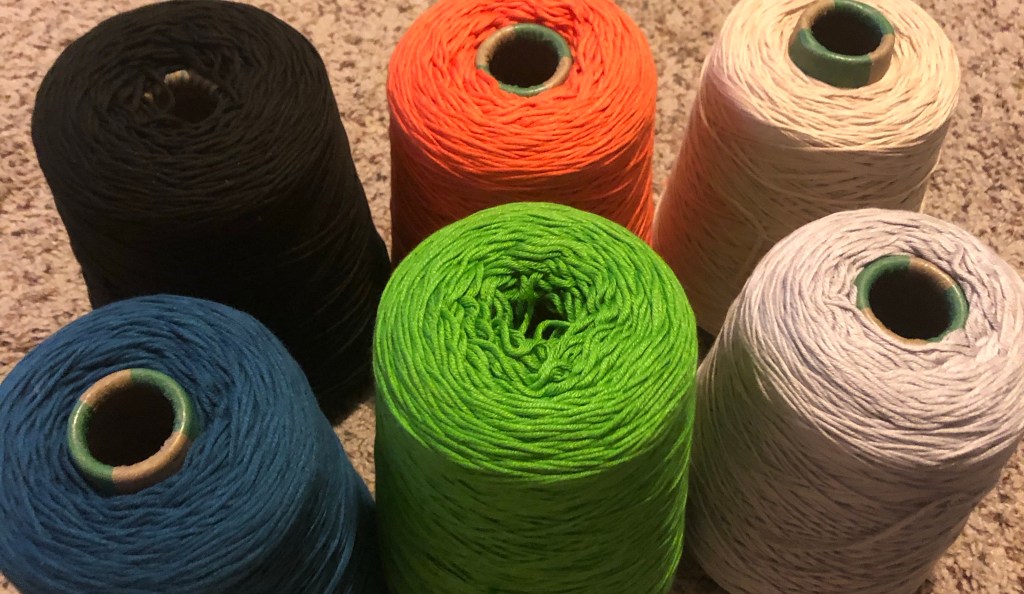
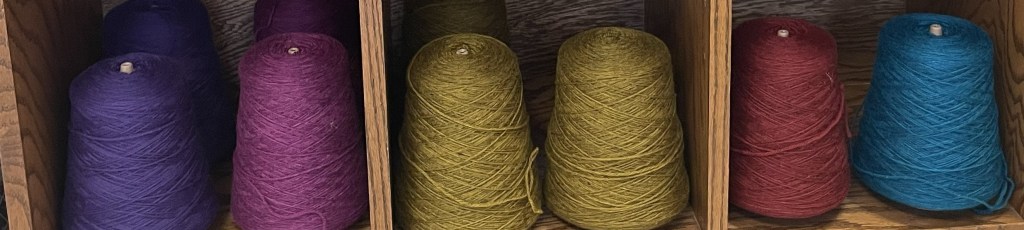
Knitting machines can use a range of yarn from all kinds of put-ups like we saw in my last post, but the easiest and best put-up for machine knitting is cone yarn. Cones donโ€™t need extra preparation before use, have more yardage in general, and often feature unique textures or colors that you might not find in hand knitting yarns.

If cone yarn is so great, why is it harder to find?ย 

In the USA, machine knitting isnโ€™t as common as it once was. While the hobby is growing again, itโ€™s kind of seen as a niche within a much more popular one or even as โ€œcheatingโ€ at hand knitting. Yarns made and wound on cones specifically for machine knitting arenโ€™t really a thing here anymore.ย 

On the retail side, cones are larger and more difficult to display compared to other put-ups. Most shops donโ€™t have the shelf space to dedicate to a few 1-2lb cones that would otherwise be filled with 10-15 skeins or hanks. Many hand knitting or crochet projects donโ€™t need the thousands of yards that can come on a cone. Additionally, shipping cones generally costs more for the number of products you get than other, smaller put-ups.ย 

The downsides of retail shouldnโ€™t keep you from using cone yarn in your machine knitting.

Let me butter you up a bit, reader. If you’re a machine knitter, you already work harder to find your materials, parts, and resources than other yarncrafters have to because of that niche! A little work to find cone yarn is nothing to you, right?


Finding Cones Locally

Iโ€™m a big believer in shopping at local small businesses whenever possible.

So please, 

Check Your Local Yarn Shop

Maybe they have cone yarn and you missed it! Itโ€™s easy to get distracted among the beautiful colors and textures in a yarn haven. Trust me, I understand.ย 

If your local yarn shop doesnโ€™t stock cone yarn, ask them about it!

Most shops are happy to accept special orders.
**Please keep in mind that many distributors have a minimum dollar amount to place an order for new accounts, so it may take your LYS time to reach that amount depending on their size.ย Pay up front and work with your local shop so you both benefit! Convert your yarn friends so more of you need cones! (No downsides to that one, right?)

Get Stitchinโ€™, the shop where I teach lessons, recently became an Ashford dealer. Now they have 0.5lb Ashford cotton yarn cones alongside their Ashford spinning wheels and looms! Those gorgeous yarns work wonderfully on 4.5mm standard knitting machines.ย The owner is happy to order other yarns in, too. I just have to ask!

Oh, speaking of looms,

Ask the Weavers!

Ask your weaving friends or your region’s weaving guild where they source their coned yarns. Many of them will use hand yarns, but those who work with finer yarns will often use cones. (If you donโ€™t have any weaving friends yet, try to make some! Weavers are fun!)

Chat with the Regulars

I live in rural Oklahoma. Most people probably think of Native Americans and buffalo when they think of the state. They definitely don’t think of yarn.

That doesnโ€™t mean hand or machine knitting doesnโ€™t exist here, it just means I had to look a little harder than someone in a big coastal city or European town might’ve had to.ย 

As some of you know, I used to work at a yarn shop in the suburbs that focused on hand knitting and crochet. When my hands started to deteriorate (I talked about it in this post), I had to start looking for other yarn craft options.

I saw Addi circular machines online, but I had never heard of a flat bed knitting machine. I mentioned my machine research once at the old yarn shop with the other regulars, and wouldn’t you know, one told me about the Fiber Christmas In July festival, a wonderful local fiber festival, and a vendor there who specializes in machine knitting!

Who knows how long it wouldโ€™ve taken me to figure things out if I hadnโ€™t stuck around and chatted with the yarn shop regulars?!

My teacher and mentor Pamela Carrico is the fiber artist specializing in machine knitting that customer told me about. Her shop has both hand knitting yarns and machine knitting cone yarns! She has new old stock vintage yarns as well as quality acrylic 2/24 yarns that she sells by the pound, which is really helpful if you want to do a colorwork project but you donโ€™t want to pay for pounds of yarn colors you may only use once.ย 

Asking around helped me find an instructor and materials in one place!


Things worked out wonderfully for me, but what if you don’t have a local yarn shop or yarn community? Making your own is always an option, as is joining an online one.

If you donโ€™t have a local yarn shop, please consider finding a small business online and supporting it before you turn to a big box store. Youโ€™re more likely to find someone who can really help you find what you need at a small specialty shop, too!

Call (Yes, Call) Other Yarn Shops 

I have the Millenial Aversion to Phone Calls. If youโ€™re not a close friend or family, I much prefer text or email, so I understand there can be some discomfort in this tip.

But remember, many machine knitting shops have been in business for decades, meaning they have operated without texts and emails for a long time, so a phone call is going to be your best option, especially as they take care of things in store. Donโ€™t forget to leave a message if you need to. Save the shopโ€™s contact information so you know they arenโ€™t spam when they call you back. (Yes, youโ€™ll have to answer the phone, too!)ย 

At the bottom of this post, you’ll find a list of shops that I know stock machine knitting cone yarn in the USA. If you know of more, let me know in the comments!

Some of these shops don’t have cone yarn listed on their websites but can tell you what they have when you call and ask. Many have “dead stock,” or discontinued cone yarns that are still perfect for knitting. They just aren’t made anymore.


Online Marketplace Listings

If you weren’t able to find anything with info from your LYS or yarn friends, try using Google, Craigslist, and Facebook searches for โ€œ<your location> cone yarnโ€ or โ€œ<your location> machine knitting.โ€ Donโ€™t forget to check Facebook Groups that may meet locally or regionally, either!ย 

Cone yarn is often listed in large lots from estate or garage sales. Since it takes up so much room, many people are happy to meet you somewhere and give you the yarn for an extremely low price or even free.ย I’ve found yarn like this several times. It’s worth checking regularly.

Set a search alert using machine knitting and cone yarn terms so youโ€™ll know when something near you pops up. When you pick up your yarn, ask the seller about their source or where they learned about machine knitting and cone yarn. 


If your local search doesn’t pan out, try some of these smaller businesses online:

Cone Yarn Stockists

Carrico’s Creative Cornerhttps://www.cmodesignerknits.com/Cone Yarn by the Lb, old stock, and more!
Knitcrafthttps://knitcraft.com/SilverReed Importer
The Knit Knack Shophttps://knitknackshop.com/ Tamm Yarns
Peter Patchis Yarnshttp://peterpatchisyarns.com/Email list of Specials
The Yarn Depothttps://yarndepot.orderpromos.com/LARGE cones
Rocking Horse Farmhttps://www.rockinghorsefarmknitshop.com/Machine Knitting Camp
Get Stitchin’https://getstitchin.com/ Ashford Dealer
Ashford Yarnshttps://www.ashford.co.nz/Find local dealer!
WEBS Yarn Storehttps://www.yarn.com/Valley Cone Yarns
YARN ITALYhttps://www.etsy.com/shop/YARNITALYGreat Variety
Silk City Fibershttps://www.silkcityfibers.com/“Wholesale” price
Paradise Fibershttps://paradisefibers.com/collections/coned-yarnFree Shipping after $150 Lower 48
The Wooleryhttps://woolery.com/Weaving Yarns

Have you tried machine knitting with cone yarn yet? Were you able to source it locally? What are you planning to make? Let me know below in the comments!

Disclosures:

I teach hand and machine knitting classes at Get Stitchinโ€™ in Tulsa, OK. Iโ€™m not paid to promote the shop, but things that benefit the shop often benefit me as peopleย may purchase my work from the shop or sign up for one of my classes!ย 

Carricoโ€™s Creative Corner is my mentorโ€™s shop. I’m not paid to promote her shop, but I happily mention it to support her and her work. ย 

Shops listed are provided for informational and educational purposes and are not affiliated with me.

Thanks for joining me on my machine knitting journey! I hope you learned something useful today. 

logo created by the lovely Mimolette Monster

Tips and Tricks

Your YARN is the Problem โ€” Part One: Hand Knitting Yarn Prep

You might have encountered one of these problems before: the yarn stopped flowing through the tension unit and the tension wire bent all the way towards the carriage and needle bed, the carriage jammed, an entire row knitted at a much tighter tension than you wanted, the yarn broke. 

If you are experiencing problems when you machine knit with hand knitting yarn, your yarn preparation (or lack of) might be the problem. Here are some things to consider about different yarn put-ups and the ways they can affect your tension while knitting. 


Hank
Must be wound into ball or cake before use

Donut
I absolutely hate the donut put-up, so I’m going to rant about it!

It does nothing other than look pretty on a shelf. Hand knitting will cause it to fall apart. Putting it in your bag after purchase will cause it to fall apart. Looking at the outer layer cross-eyed will start it on its slinking, unwinding, collapsing journey!

Unstable put-up
Uneven tension
Needs to be contained
Flops around

Yarn Ball
Can roll away
Needs to be contained in a basket or bucket
Yarn can get caught under the weight of large balls causing uneven tension

Skein
Center pull often results in “yarn barf” and/or collapsing skein
Needs to be contained
Outside pull means flopping/traveling/rolling skein and uneven tension as yarn enters machine
Outside pull means stopping after a row to pull out enough yarn to knit a row every time to avoid flopping

Cake
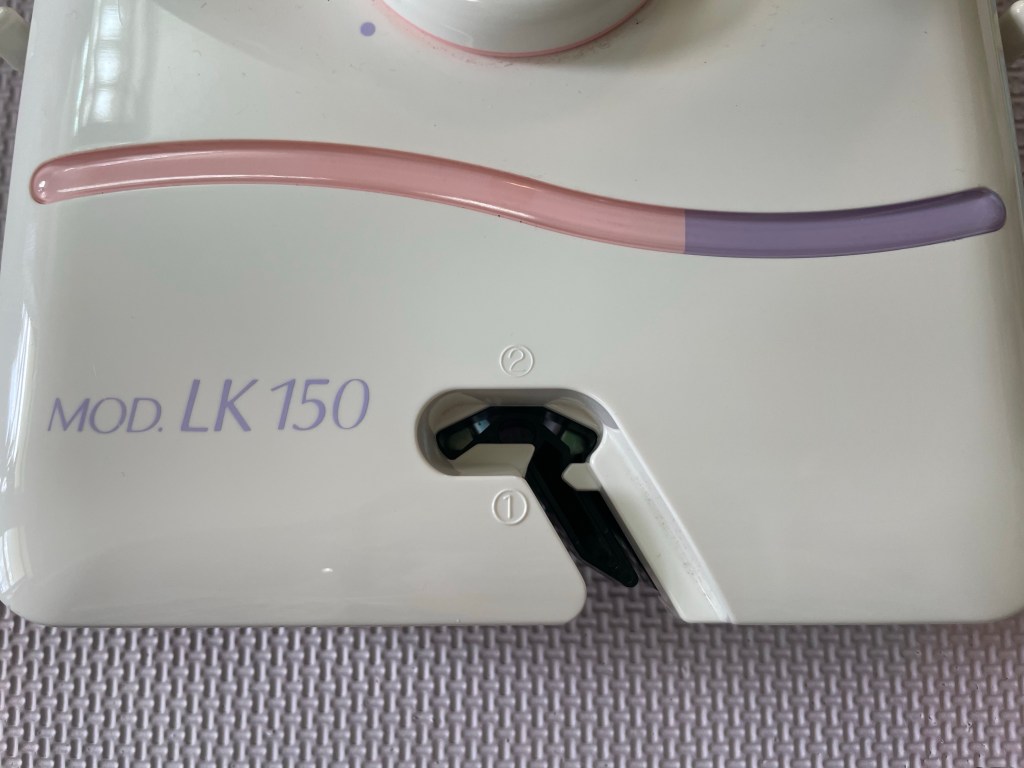
Manual-recommended put-up for Silver Reed LK150
Flat top and bottom
Should not roll
Most even tension of all put-ups mentioned so far
Require ball winder and swift

Cone
Best put-up for machine knitting
Even tension
Large yardage
Not a commonly used put-up for hand knitting yarn


You aren’t an awful knitter if you don’t knit from yarn cakes or cones! But they are the best put-ups that are least likely to cause issues.

I’ve knitted center pull from a skein before. Everything turned out fine, but I did have to stop and fix a few tension issues as I knitted.

I knit from yarn balls all the time, especially for scrap yarn. Sometimes they jump out of their container when I’m knitting quickly and I have to chase them down. It happens.

Knitting from less than ideal put-ups just means I accept I might encounter problems and have to fix them.


A Note on Yarn Cakes

Ideally, yarn winders should wrap around the sides of the cake and not on top or bottom.

If your yarn winder wraps the yarn around the sides and over the top and bottom, the cake will flop and turn like a yarn ball and add additional tension as it does. This is not an ideal cake for machine knitting, but you can make it work by pulling yarn out periodically so it doesn’t have to flop and roll.

Flopping that happens to an “ideal” cake that isn’t wound over the top/bottom likely means there is not enough lead length of yarn from the cake to the tension unit to the carriage (such as the yarn sitting on the table instead of the floor behind the machine), so be sure to give your yarn ample space as it feeds into the tension unit.


Finding Cone Yarn

There are many places to find cone yarns online, but PLEASE visit your Local Yarn Shop first!

If they donโ€™t have any cones, just ask. Most shops are more than happy to custom order yarns. (Just remember some distributors have minimum orders and it might take a bit to meet that number!) And if you don’t have a yarn ball winder and swift, most LYS will wind the yarn you purchase there into cakes for you.

My Local Yarn Shop, Get Stitchinโ€™ in Tulsa, OK just became an Ashford dealer! I donโ€™t weave or spin much, but do you know what comes on cones? Weaving yarn!

(Disclosure: I teach classes, sell Silver Reed knitting machines, and sell my work at Get Stitchinโ€™, but Iโ€™m not paid to promote it. I mention it because I both sell and shop there.)

Carricoโ€™s Creative Corner in Bartlesville, OK, my mentor Pamela Carricoโ€™s shop, has a wonderful array of cone yarns as well as hand knitting yarns. Pamela sells cone yarn by the pound, which is a great option for knitters who donโ€™t want to commit to an entire cone and thousands of yards of one color. She also often has new old stock of discontinued yarns that were made especially for machine knitting.


In the end, the amount of preparation you do when machine knitting with hand knitting yarn is about what youโ€™re willing to put up with. You may be willing to deal with a ball rolling around or unwinding from the outside of a skein before knitting every row, but if you find yourself constantly encountering tension issues and uneven knitting, look to your yarn put-up and preparation first.

Thanks for coming along on my machine knitting journey! How do you prep your yarn? Are you strict about it, or do you knit from whatever you feel like using at the time? Let me know in the comments!

Knitting Machines, tutorial

Yarn Plating and the SilverReed LK150

Have you heard of plating? Not metal plating- yarn plating on the knitting machine!

Most knitting machines can plate with an attachment or interchangeable carriage piece, but plating is a built-in carriage capability on the Silver Reed LK150 6.5mm mid-gauge machine.

It’s described in the manual as two different yarns knitted together where

one yarn appears on the knit side while the second yarn appears on the purl side of the knitting

SilverReed LK150 Instruction Manual p22

The yarns are usually different weights and fibers with one giving additional support to the construction of the fabric and/or adding special visuals like the swatch below.

(If you really want to dive into the technicalities, check out section 6.8.3 Plating in Knitting Technology by David J. Spencer. I thought it was a fascinating read!)


rainbow rayon thread plated on the knit side over a wool dress yarn purl side

Adding Structure – My AHA! Moment

The swatch above uses a very thin, thread weight rainbow rayon yarn over a wool dress yarn of about fingering weight to create a fabric that couldn’t exist without utilizing plating. But how did I get there?

When I was a machine knitting beginner, my friend gifted me THREE CONES of thread weight rainbow rayon yarn. It’s lovely. I adore the colors.

But…

The yarn is so thin that I found it difficult to work with on a standard 4.5mm gauge knitting machine. It’s just too small, and I had no clue what I could make with it. Perhaps a light shawl, but I didn’t think that would work.

Plus… rayon isn’t known as “the poor man’s silk” for nothing. It has a smooth texture and a lovely drape. But that drape comes with drop sometimes. Rayon knits can stretch in length under their own weight, and that can create some fit issues like armholes dropping or skirts falling to an undesired length.

So rayon isn’t always a good choice for some projects unless you combine it with another fiber and use it in a blended yarn, but I already had yarn that was 100% rayon with no clue what to do with it…

That’s when my teacher and mentor Pamela Carrico of CMO Designer Knits introduced me to plating. She gave me the wool dress yarn and suggested plating my rainbow rayon yarn on top of it.

It’s. Perfect.

The wool yarn grants elasticity and memory to the fabric and gives it structure due to the way wool fiber clings to itself at the microscopic level with tiny scales. That wool yarn basically negated rayon’s inherent issues.

The wool is about fingering weight and was much more manageable than thread for me as a beginner. The fabric it created was still nice and lightweight, so that meant it was still wearable while being wool, which matters in Oklahoma.

A “what the heck” yarn turned into “this works perfectly” in an instant.

Visual Appeal

The wool yarn has a blush pinkish grey appearance that doesn’t photograph well and didn’t stand out much on its own. As someone attracted to color, I would have passed it up if Pamela hadn’t suggested it.

She knew that rayon needed structure, and she knew my particular rayon didn’t need more color.

Adding the rayon to the wool took it from slightly boring to amazing. The wool didn’t really need anything, but the rainbow colors helped it make a complete fabric.


You won’t always have yarn features or issues to work around like I did, but you might find yourself wanting something more from your yarn, and plating offers that, too.

Lurex metallic yarns are easy to find on sites like Etsy, but sparkle isn’t all you can add to your work. Bouclรฉ yarns add both visual interest and texture to your fabric. The possibilities are nearly endless.

So if you find yourself with a yarn that just doesn’t work on its own, try plating with it!


Plating Issues

Perfect plating places the yarn on the correct side every time, but for me on my standard gauge machine, that meant very careful carriage pushing and checking every row after it was knit. Even then, it didn’t always come out as planned.

rayon rainbow thread yarn on fingering wool dress yarn

If you look closely, you can see plenty of rows where the wool came through on the purl side and the rainbow rayon came through on the knit side. I wanted the rainbow on the purl side and the wool on the knit side for this swatch, but that just didn’t happen.


So where does the LK150 come in?

So far I’ve only discussed my experience with plating on a standard 4.5mm machine, but that’s not what the title said this post was about!

In my personal experience, I have not had the issues with yarns visiting the incorrect side of the fabric when I use the LK150 for plating. Instead of using an interchangeable part, the plating feature is built into the carriage, and I believe this is what makes it a more “stable” plating option.

For the smaller “top” yarn, I’ve used the thread rayon yarn, lace weight yarns, and even sock weight yarns on top of fingering and DK weight yarns. I even attempted plating two fingering weight yarns, which worked, but it wasn’t quite as nice of a fabric as the other combinations.

While preparing this post, I tried running the carriage across the needle bed very quickly, and I still did not experience yarns hitting the incorrect side of the work. This may not be universal and my machine’s younger age (about 3-4 years) might matter. I’m not complaining!

Plating takes yarns that might not be suitable on their own for your machine and makes working with them possible.


How to Plate on the LK150

Thread one yarn into slot 1, thread a second yarn into slot 2 and knit the night away!

That’s all it takes, but you should also make sure the yarns are not close to each other where they might twist or static cling to each other as they feed through the tension unit and carriage. Twisting two yarns together can make an interesting fabric, but that is not what we want in plating.

I can never remember which slot places yarn on the knit side and the purl side, so the first row of my swatches is often opposite of what I intended.

I’ve written it all out here so you won’t have the same problem! I’ll refer to the smaller yarn as the plating yarn.

slots 1 and 2 from the top
slots 1 and 2 from the front, angled upward

If you want your plating yarn to show on the purl side, thread it into slot 2 of the carriage.

If you want the plating yarn to show on the knit side, thread it into slot 1 of the carriage.


Once your carriage is set, swatch for tension and knit as usual!

I really do mean โ€œknit as usual.โ€ You can short row, cable, increase, decrease, and transfer stitches as you normally would while yarn plating.

You will want to be careful about where each yarn sits on the needle with any laddering and latching up to form purls for ribbing or texture stitches. The yarns need to stay on their respective sides of the knit fabric.

The same goes for stitch transferring and fixing dropped stitches. Make sure you catch both loops of yarn and re-hang them in the right orientation.

What do you think? Have you tried plating yarn before? Do you think you’ll try it now on the Silver Reed LK150? Let me know in the comments!

As always, thank you for reading and coming along on my machine knitting journey!

Seminar

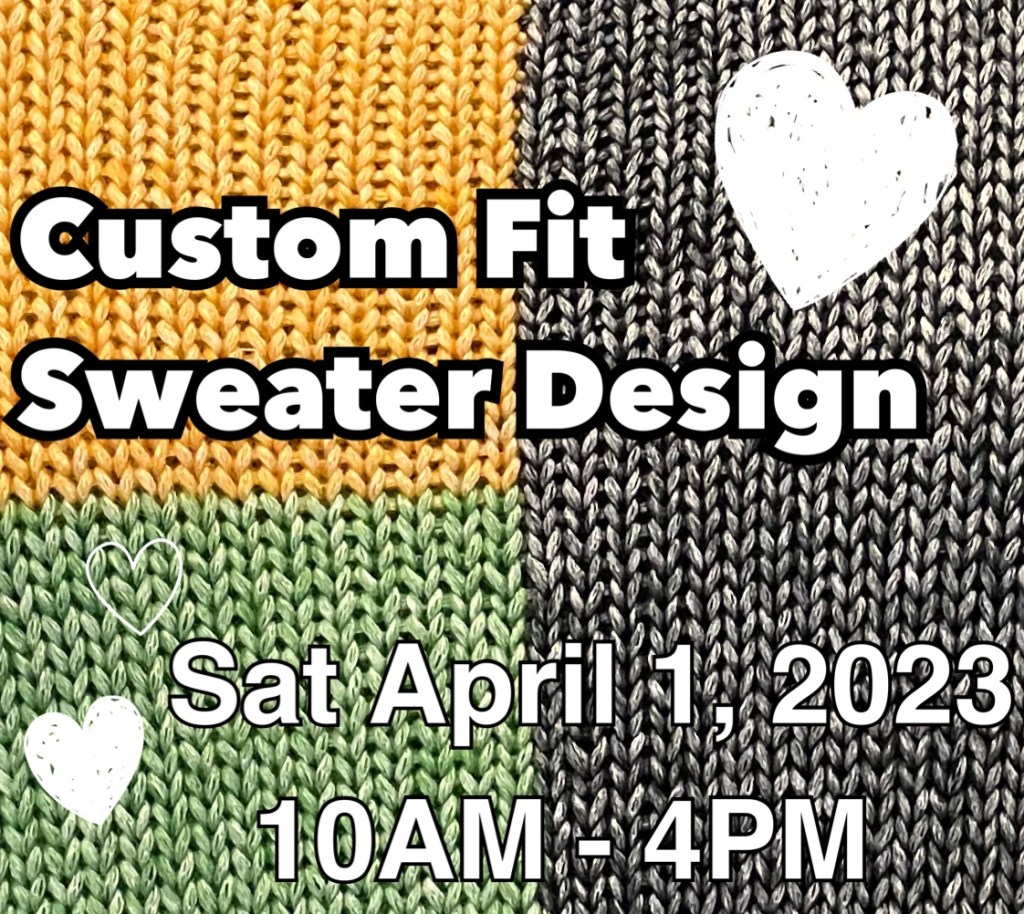
Spring Seminar Coming Soon! April 1, 2023

Thatโ€™s right! Itโ€™s nearly time for our next seminar!

Hand and machine knitters, you wonโ€™t want to miss this!

Weโ€™re learning how to design a custom fit knitted sweater!

Attendees will learn measurement tips and tricks to accommodate various body type needs and draw a body block schematic based off of their own measurements.

Weโ€™ll discuss easeโ€”what it is, what it means for fit, and how you may not actually wear the โ€œsizeโ€ you think you do because of it.

Thatโ€™s not all! Weโ€™ll talk about how material choice affects garment fit and design considerations you should consider when adding elements to your sweater.

Hope to see you there on April 1, 2023 from 10:00AM – 4:00PM at Get Stitchinโ€™ in Tulsa, OK.

Visit Get Stitchinโ€™s website to sign up today!

https://www.getstitchin.com/machine-knitting-seminar

Knitting Machines, resources

Resource Roundup- YouTube Edition

Do you have a favorite machine knitting YouTuber? You will after this post!

Each channel name links to the channel, so check them out!


Anna Haferman

Anna has a tutorial about using a KnitLeader with the LK 150! How awesome is that?

She also has project videos with really clever ways to work fair isle among other things. Iโ€™ve been watching her channel a lot lately, and she might be my favorite machine knitting YouTuber!


Diana Sullivan

Dianaโ€™s channel features beginner lessons along with cast-on, cast-off, and edging videos.

This pinwheel baby blanket was one of my very first machine knitting projects. (Her channel doesn’t allow embedding videos, so there won’t be a preview for this one.)


Creative Tien

Creative Tien features machine knitting, crochet, and sewing tutorials. I found the channel very recently but have really been enjoying it.

I really like the scalloped edges from this video:


Knitology 1×1

Channel owner Elena works in London as a knitted textiles designer and shares stitch and project tutorials.

The braided cable in this tutorial makes a lovely tank top strap that I canโ€™t wait to try:


Claire Newberry

Although she only has a few videos, theyโ€™re worth the watch. Plus, she wears gorgeous sweaters as she films!

I particularly enjoyed her bead knitting video. The swatches she displays at the beginning are gorgeous!


Caroleโ€™s Country Knits at Rocking Horse Farm

I believe they might be more active on Instagram, but the Rocking Horse Farm channel is still worth a visit!

My brain isnโ€™t quite happy with the 90 degree rotation from flatbed to circular sock machine, so this short rowing video has been helpful:


The Answer Lady

You may know the channel from the Ask Jack machine maintenance videos, but channel also includes pattern tutorials, tips, and tricks. Iโ€™ve seen Circular Sock Machine tutorials recently, too!


The Knitting School Online

TKSO offers more classes on their website than their channel, but you can get a good idea about their paid content through their YouTube content.

This double bed jacquard video made me excited to try out my color changer attachment.


Roberta Rose Meads (previously Roberta Rose Kelly)

Some videos may be โ€œoldโ€ by YouTube standards, but the channel is a wealth of knowledge.

Iโ€™m obsessed with short rows, so learning you can do intarsia using short rows was amazing! Check it out:


Susan Guagliumi

In addition to her books, Susan Guagliumi has Craftsy videos! Not all of them are on uploaded to YouTube, but if you’re looking to see if her Craftsy content is worth it, and I’ve had many people tell me it definitely is, check out her channel!


Knit It NOW

Sue at Knit It NOW has a wonderful website with a yearly subscription that she introduces on her channel. You can have a free membership with access to some of her content on her website, but YouTube is still a good way to browse some of what you can find at her main site. (Her channel doesn’t allow embedding videos, so there won’t be a preview for this one.)


While in-person learning will always be my learning preference, I love finding new machine knitting video resources!

Who am I missing? Iโ€™d love to watch your favorite machine knitting YouTubers.

Thanks for tagging along with me on my machine knitting journey!